



Challenge
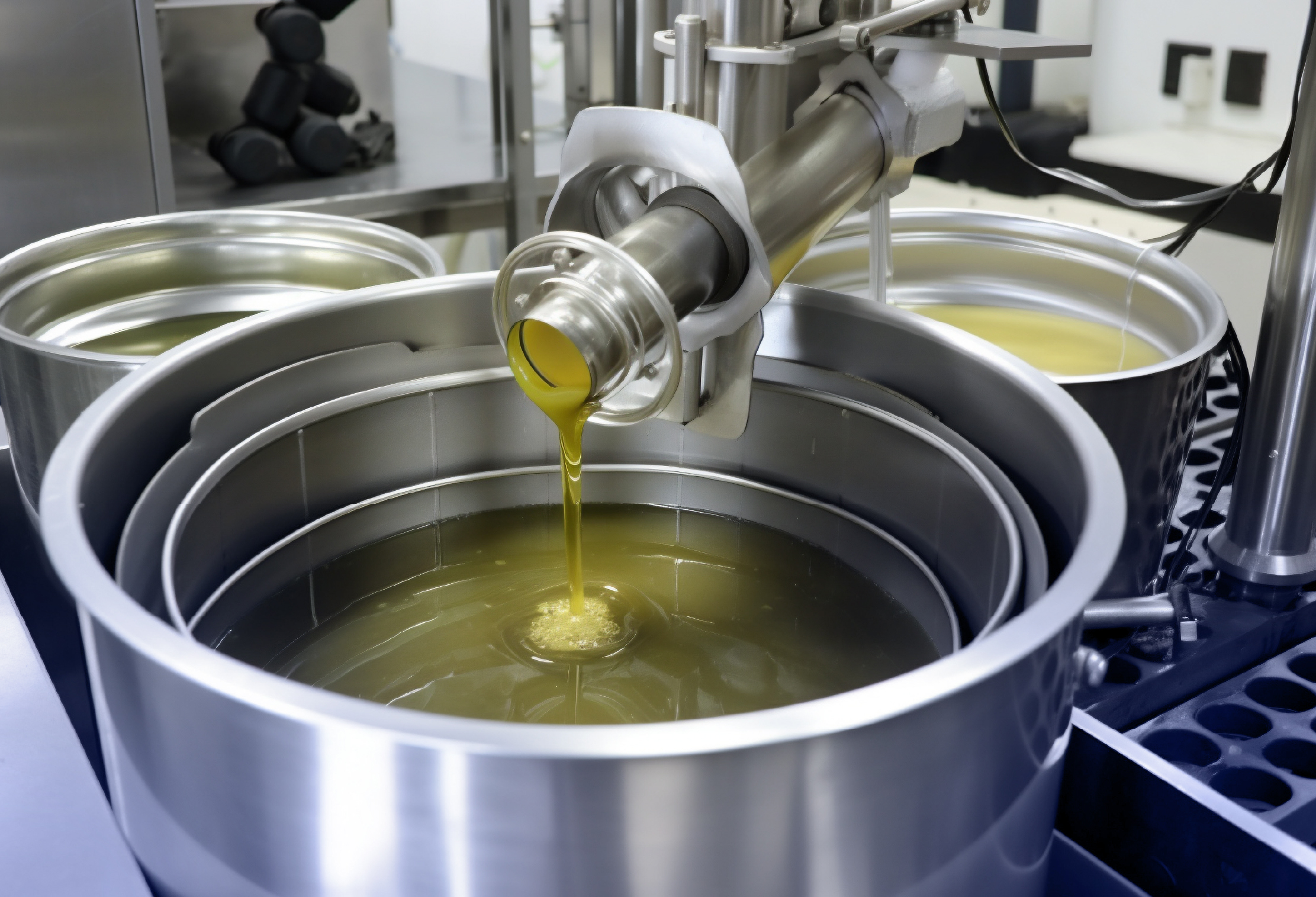
In coconut oil production, maintaining optimal temperatures during the cooking phase is essential to ensure high-quality output. A major challenge in this process is the inconsistent moisture content of the incoming copra, which makes it difficult to consistently achieve the desired moisture level after cooking. If the copra retains excess moisture post-cooking, it can compromise the oil yield.
To develop an AI-powered system that dynamically predicts and regulates compartment-wise temperatures based on real-time copra moisture levels, thereby enhancing product quality, reducing human intervention, and improving process efficiency.
Our Solution
To address this, the temperature distribution across the cooker’s compartments must be dynamically adjusted to ensure proper cooking—avoiding both overcooking and undercooking. Failure to maintain this balance can lead to reduced oil yield, increased energy consumption, and quality defects in the final product.
We implemented a neural network-based AI model trained to predict the ideal maximum temperature for the lower compartment of the cooking unit. Using real-time moisture readings as input, the model dynamically adjusts the temperature of this compartment and propagates calibrated temperatures (e.g., 70°C, 65°C, 60°C, et c.) across the remaining compartments to ensure uniform processing.
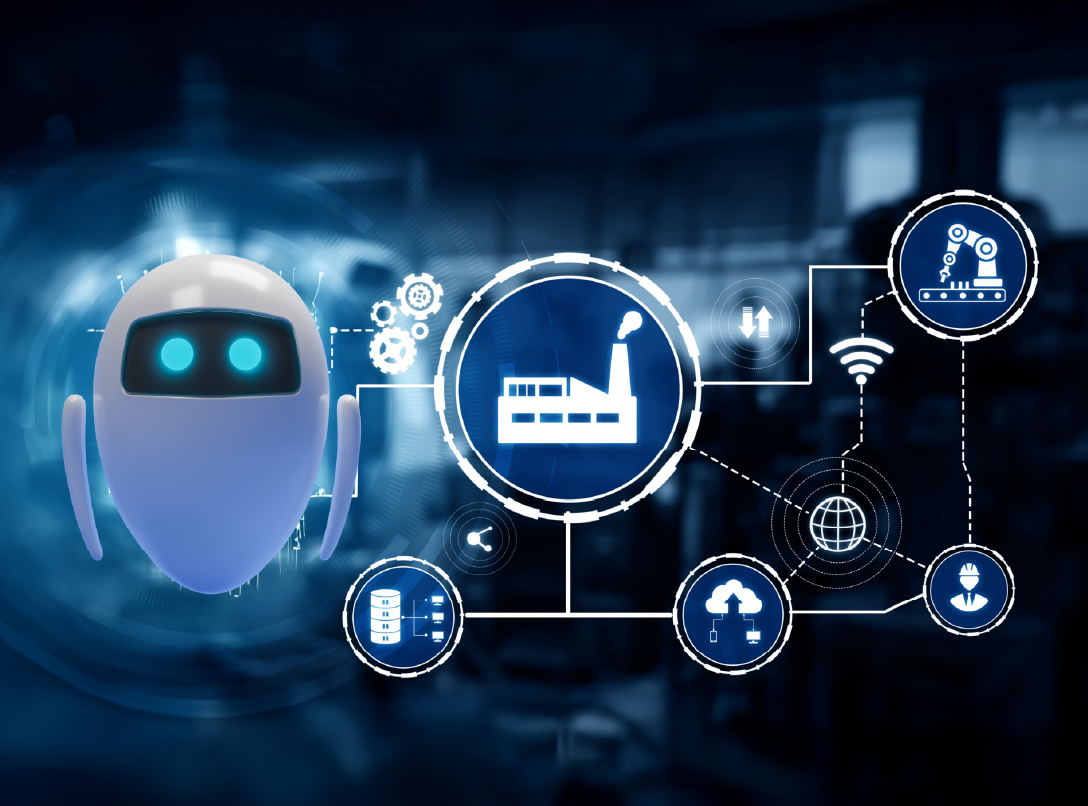
An integrated AI agent then communicates directly with the plant’s control systems (SCADA/PLC/Siemens Edge Devices) to execute the adjustments automatically—all within a one-minute window, ensuring consistent quality and operational efficiency.
An integrated AI agent then communicates directly with the plant’s control systems (SCADA/PLC/Siemens Edge Devices) to execute the adjustments automatically—all within a one-minute window, ensuring consistent quality and operational efficiency.
Network Network Model
Predicts optimal base temperature using live sensor data.
Temperature Automated Temperature Cascade
Synchronizes all cooker compartments based on base temperature.

AI Agent Integration
Real-time interaction with industrial controllers for autonomous execution.
Minimal Manual Intervention
Intelligent automation reduces dependency on human input.
Impact
AI ensures precise control, maintaining high production standards.
Reduction in manual checks and adjustments accelerates processing time.
Data-driven decisions enable smarter energy use and process refinement.
Designed for easy adaptation to other production environments with moisture-sensitive variables.